The Environmental Benefits of Switching to an Electric Bike
- electric bikes
- environment
- sustainability
- green transport
- urban commuting
Introduction
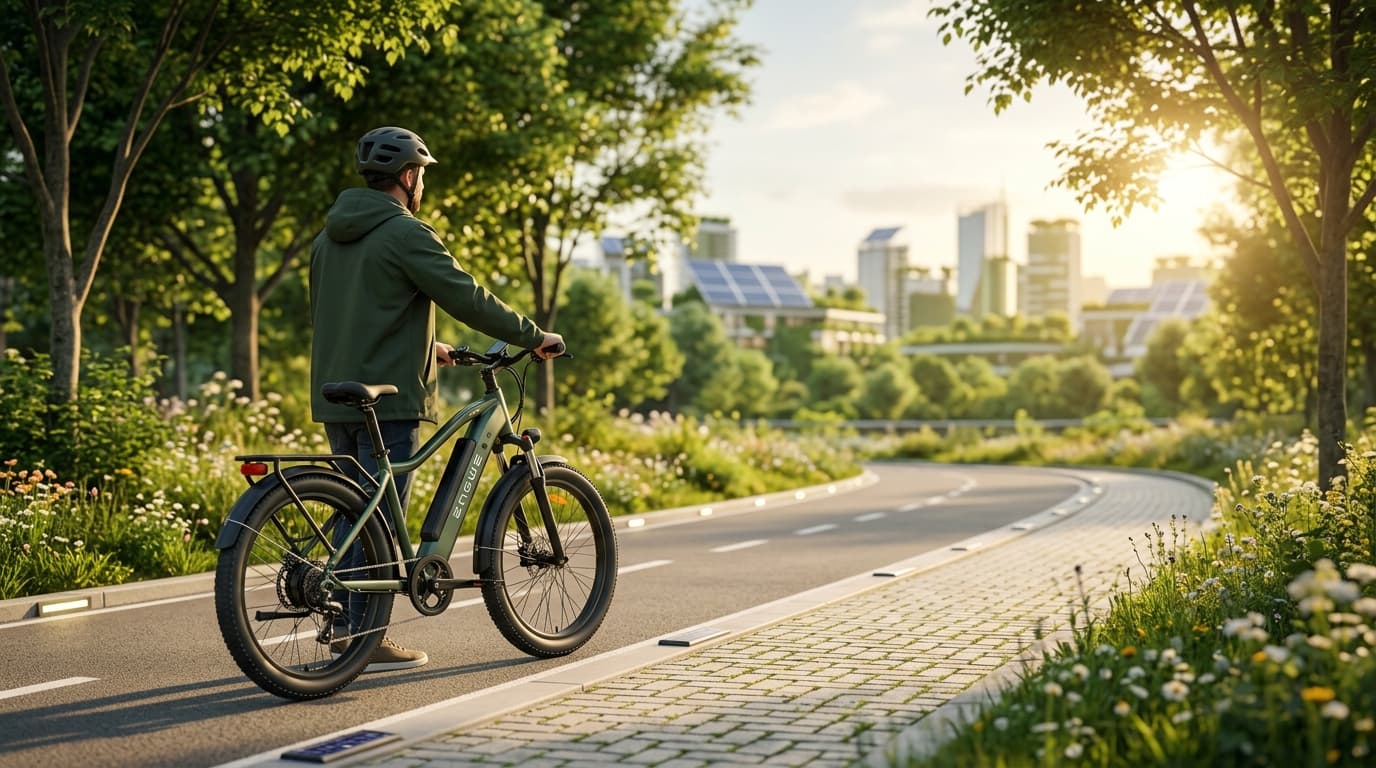
As urban areas become more congested and the effects of climate change intensify, many people are seeking eco-friendly alternatives for their daily commutes. One of the most promising solutions is the electric bike, or e-bike. These innovative vehicles not only provide convenience and efficiency but also contribute significantly to environmental sustainability. In this article, we will explore the various environmental benefits of switching to an electric bike and why it may be the right choice for you.
Reduced Greenhouse Gas Emissions
One of the primary environmental benefits of electric bikes is their ability to lower greenhouse gas emissions. Traditional vehicles, especially those powered by gasoline or diesel, release a significant amount of carbon dioxide (CO2) and other pollutants into the atmosphere. In contrast, e-bikes produce zero emissions during operation. By choosing to ride an electric bike instead of driving a car, you can help reduce your carbon footprint and contribute to cleaner air.
Energy Efficiency
Electric bikes are known for their energy efficiency. They require far less energy to operate compared to cars or motorcycles. While a standard car typically consumes around 25-30 miles per gallon of fuel, an electric bike can cover the same distance using only a fraction of that energy. This efficiency not only helps the environment but also reduces your overall energy consumption.
Less Noise Pollution
Noisy traffic is a common issue in urban areas, and it can have detrimental effects on both human health and wildlife. Electric bikes operate quietly, significantly reducing noise pollution compared to traditional vehicles. This creates a more pleasant environment for everyone, making city streets more enjoyable for pedestrians and cyclists alike.
Conservation of Resources
Every vehicle requires resources to manufacture and maintain. E-bikes, being smaller and lighter, generally use fewer materials than cars, leading to less resource depletion. Additionally, as electric bike technology advances, manufacturers are increasingly focusing on sustainable materials, such as recycled metals and eco-friendly plastics, further lessening their environmental impact. For example, considering models like the ENGWE M1 or the ENGWE O20 Boost can offer you quality options that are also crafted with sustainability in mind.
Reduction of Traffic Congestion
Switching to an electric bike can help alleviate traffic congestion in urban areas. With more people opting for e-bikes over cars, fewer vehicles are on the road, resulting in less gridlock and shorter travel times for everyone. This shift not only makes commuting faster but also leads to reduced fuel consumption and emissions from idling cars.
Encouraging a Healthier Lifestyle
While the primary focus here is on environmental benefits, it's worth noting that riding an electric bike also promotes a healthier lifestyle. E-bikes encourage physical activity, which can lead to improved cardiovascular health and overall well-being. Plus, spending more time outdoors contributes to mental health, making it a win-win situation for both you and the planet.
Conclusion
Switching to an electric bike offers numerous environmental benefits, from reducing greenhouse gas emissions to conserving resources. The transition to e-bikes can positively impact both urban environments and personal health. If you're considering making the switch, models like the E26 3.0 Pro provide reliable options that enhance your riding experience while being kind to the planet. By choosing an electric bike, you're not just making a smart transportation choice; you're also contributing to a sustainable future.