How to Keep Your Cat Hydrated: Essential Tips for Owners
- cat care
- pet health
- cat hydration
- cat owners
- cats
- pet tips
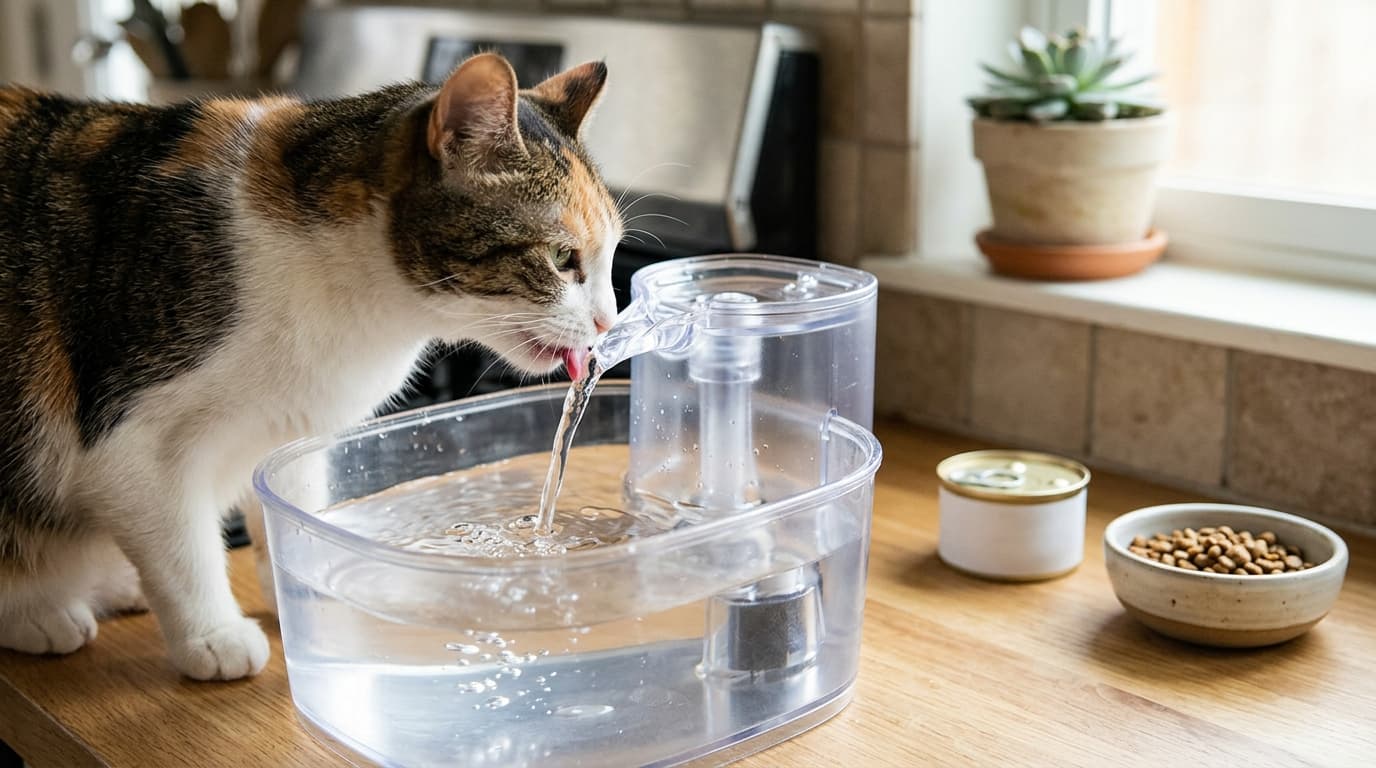
Understanding Your Cat's Hydration Needs
Hydration is vital for your cat's overall health. Cats have a low thirst drive and often do not drink enough water, leading to potential health issues such as urinary tract infections and kidney disease. It's essential to understand how much water your cat needs and the signs of dehydration.
Why Cats Need Water
Cats require a certain amount of water daily, typically between 5 to 10 ounces, depending on their size and diet. Water helps maintain body temperature, aids digestion, and supports kidney function. Providing adequate hydration can significantly enhance your cat's quality of life.
Signs of Dehydration
Recognizing the signs of dehydration in your cat is critical. Symptoms may include:
Dry mouth or gums
Sunken eyes
Loss of skin elasticity
Decreased appetite
Lethargy
If you notice any of these signs, consult your veterinarian immediately.
Ways to Increase Your Cat's Water Intake
There are several methods to encourage your cat to drink more water:
Provide Fresh Water: Ensure your cat has access to clean, fresh water at all times. Cats can be picky about stale water, so change their water daily.
Use Cat Water Fountains: Cats are often attracted to running water. A fountain can entice them to drink more. For example, The KittySpout™ - 2.2L Fountain Health And Happiness Cat Kit is designed to provide a continuous flow of fresh water.
Incorporate Wet Food: Adding wet food to your cat's diet can significantly increase their water intake. Canned food contains more moisture than dry kibble.
Add Flavor: Enhance your cat's water by adding a splash of low-sodium chicken broth or tuna juice. This can make water more appealing.
Hydration Stations: Place multiple water bowls around your home. This encourages drinking by making water more accessible.
Creating a Hydration-Friendly Environment
Setting up a hydration-friendly environment can help encourage your cat to drink more water:
Choose shallow bowls that are easy for your cat to access.
Avoid placing water bowls near their food, as some cats prefer separation.
Ensure bowls are made of materials that do not retain odors, like stainless steel or glass.
Monitoring Your Cat's Hydration
Regularly monitor your cat's water intake and behavior. If your cat is drinking significantly less than usual, or if they exhibit any signs of dehydration, consult your veterinarian. They can provide insights tailored to your cat's specific needs.
Utilizing Technology for Hydration
Modern technology can assist in monitoring your cat's hydration. Smart water fountains, like The KittySpout™ - Wireless Fountain 2.0, often come with features that allow you to track your cat's water consumption and ensure they are staying hydrated.
Conclusion
Keeping your cat hydrated is essential for their health and well-being. By understanding their hydration needs, recognizing the signs of dehydration, and implementing practical strategies, you can ensure your furry friend stays healthy. Consider investing in products that can enhance their drinking experience, such as cat water fountains, to promote regular hydration. Your cat will thank you with better health and vitality!