Electric Bikes vs Traditional Bikes: Key Insights for Buyers
- electric bikes
- traditional bikes
- biking tips
- commuting
- sustainable transport
Introduction
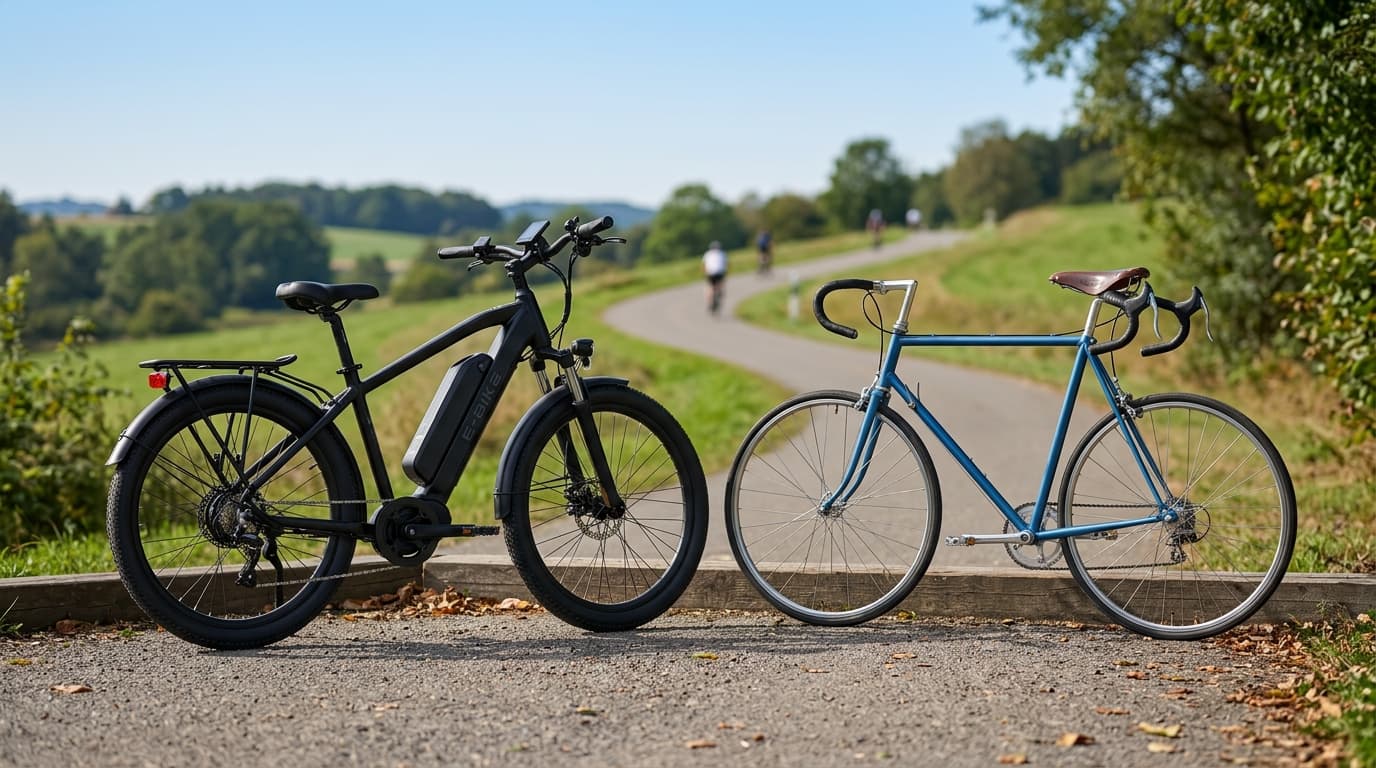
As more people seek efficient and eco-friendly transportation solutions, the debate between electric bikes and traditional bikes is gaining momentum. Whether you're considering an upgrade or new purchase, understanding the key differences can help you make an informed choice. This article will cover the advantages and disadvantages of each type of bike, along with practical advice to guide your decision.
Understanding Electric Bikes
Electric bikes, or e-bikes, come equipped with a battery and motor that assist the rider. This can make cycling less strenuous, especially on hilly terrains or during longer rides. E-bikes typically offer different levels of pedal assistance, allowing riders to choose how much help they want from the motor.
Benefits of Electric Bikes
Ease of Use: E-bikes make commuting and recreational cycling more accessible, particularly for those who may struggle with traditional biking.
Speed: With the added power from the motor, e-bikes can help you travel faster and cover longer distances without exhausting yourself.
Environmentally Friendly: E-bikes provide a greener alternative to cars, reducing carbon emissions during your daily commute.
Variety: There are many models to choose from, such as the ENGWE M1, which offers a stylish moped-like design with EU-standard torque.
Considerations for Electric Bikes
While e-bikes offer numerous benefits, there are some points to consider:
Cost: E-bikes can be more expensive than traditional bikes due to their complex components. However, they may save money in the long run by replacing car trips.
Weight: E-bikes are generally heavier than traditional bikes due to their motors and batteries, which can be a factor if you need to carry them.
Battery Life: Understanding the battery range and charging time is crucial, especially for longer rides.
Exploring Traditional Bikes
Traditional bikes, which rely solely on human power, have been a staple for decades. They come in various styles, including road, mountain, and hybrid bikes, catering to different needs and preferences.
Benefits of Traditional Bikes
Affordability: Generally, traditional bikes are significantly less expensive than their electric counterparts, making them accessible to a wider audience.
Lightweight: Without a motor and battery, traditional bikes are typically lighter, making them easier to handle and transport.
Health Benefits: Riding a traditional bike provides a great workout, enhancing cardiovascular health and building strength.
Considerations for Traditional Bikes
Despite the advantages, traditional bikes also come with some drawbacks:
Physical Demands: For some, especially those who may not be in peak physical condition, riding a traditional bike can be challenging.
Limited Range: You may find it difficult to travel long distances or tackle steep hills without additional effort.
Making the Right Choice for Your Lifestyle
Choosing between an electric bike and a traditional bike largely depends on your lifestyle and preferences. If you value speed, ease of use, and often ride longer distances, an e-bike like the E26 3.0 Pro might be the right fit. On the other hand, if you're looking for a budget-friendly option that provides a solid workout, a traditional bike may suit your needs better.
Additional Factors to Consider
Before making a purchase, consider the following factors:
Intended Use: Are you commuting, exercising, or just enjoying leisurely rides? Your intended use will influence your choice.
Storage and Transport: Think about where you’ll keep your bike and how you'll transport it. E-bikes tend to require more storage space due to their larger batteries.
Maintenance: E-bikes may require more specialized maintenance, especially concerning their electrical components.
Conclusion
Ultimately, whether you choose an electric bike or a traditional bike, understanding the key differences and benefits will help you make an informed decision. Both types of bikes have their unique advantages and challenges, and your choice should align with your personal needs and lifestyle. If you're leaning towards an electric model, exploring options like the ENGWE O20 Boost can provide a fantastic riding experience without compromising on quality.