A Beginner's Guide to Understanding Electric Bike Specifications
- electric bikes
- e-bike specifications
- buying guide
- engwe
- biking tips
Introduction
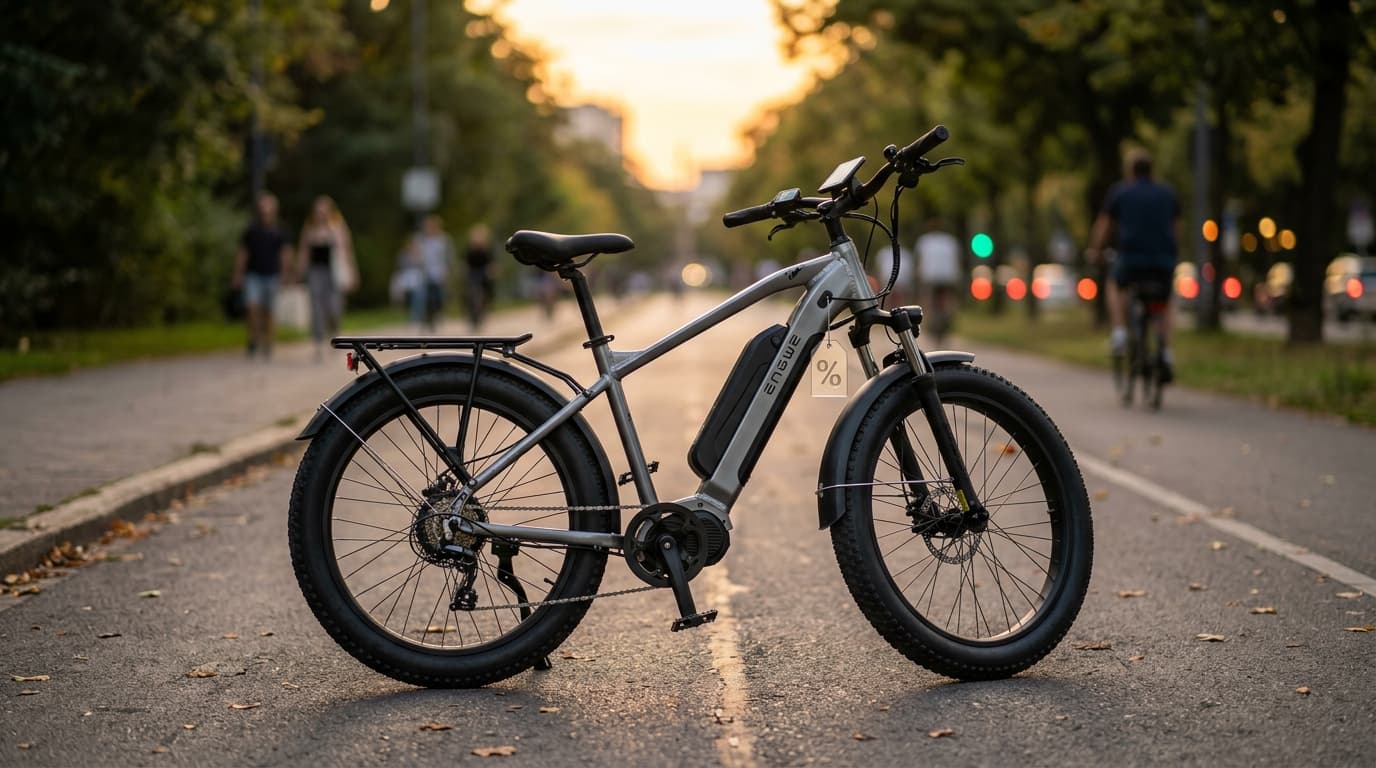
Electric bikes, or e-bikes, are becoming increasingly popular for commuting, recreation, and fitness. They provide an efficient way to travel while enjoying the outdoors. However, with various models and specifications available, understanding what to look for can be overwhelming for beginners. This guide will break down essential electric bike specifications, helping you make an informed decision when choosing your first e-bike.
Motor Types and Power
The motor is one of the most critical components of an electric bike. E-bikes typically feature one of two motor types: hub motors or mid-drive motors.
Hub Motors: These are located in the wheel hub and are often easier to maintain. They provide a smooth ride but may struggle with steep hills.
Mid-Drive Motors: Positioned at the bike's crank, mid-drive motors offer better weight distribution and performance on hills. They can also be more efficient as they leverage the bike's gears.
Additionally, the power of the motor, measured in watts (W), determines how much assistance you receive while pedaling. Common power ratings range from 250W to 750W. If you're looking for versatile performance, consider options like the ENGWE M1, which features a 65Nm torque, providing ample power for various terrains.
Battery Capacity and Range
The battery is another vital specification, as it directly affects your e-bike's range. Battery capacity is measured in amp-hours (Ah) or watt-hours (Wh). A higher capacity typically means a longer range. Most e-bikes can travel between 20 to 70 miles on a single charge, depending on factors like terrain, rider weight, and level of assist.
When evaluating battery life, consider your riding habits. If you plan to take longer rides, look for e-bikes with larger batteries. For example, the E26 3.0 Pro is designed for extended use with its robust battery capacity, making it suitable for adventurous outings.
Frame Design and Weight
The frame design of an electric bike impacts its handling, comfort, and portability. E-bikes come in various styles, including traditional, folding, and step-through frames. Additionally, the weight of the bike plays a crucial role in its maneuverability.
Frame Material: Common materials include aluminum, steel, and carbon fiber. Aluminum is lightweight and resistant to rust, making it a popular choice for e-bikes.
Weight: E-bikes typically weigh between 40 to 70 pounds. Lighter bikes are easier to handle and transport but may sacrifice some robustness. Folding e-bikes, like the ENGWE O20 Boost, are great for commuters who need to store their bike in small spaces.
Brakes and Safety Features
Safety is paramount when riding an e-bike. Pay attention to the braking system, as it can significantly affect your control and stopping power. Most e-bikes come equipped with either rim brakes or disc brakes.
Rim Brakes: These are generally lighter and less expensive but may not perform as well in wet conditions.
Disc Brakes: Offering superior stopping power, disc brakes are more reliable, especially on steep descents.
Additionally, consider safety features such as integrated lights, reflective materials, and a sturdy frame that can absorb impact.
Gearing and Transmission
The gearing system on your e-bike affects how efficiently you can ride in various conditions. Many e-bikes feature either a single-speed or multi-speed transmission. Multi-speed bikes allow you to shift gears, making it easier to tackle hills or adjust your speed on flat terrain.
For beginners, a bike with a simple gearing system may be more manageable. However, if you anticipate varied riding conditions, a multi-speed bike will provide greater flexibility.
Additional Features to Consider
While the core specifications are essential, additional features can enhance your riding experience. Here are some features to consider:
Smart Technology: Many modern e-bikes come with smart technology, allowing you to track your ride, monitor battery life, and customize settings through a mobile app.
Suspension: A bike with good suspension can provide a smoother ride, especially on uneven terrain. Consider options with front or full suspension for added comfort.
Accessories: Look for bikes that offer compatibility with accessories like racks, fenders, and storage solutions.
Cost and Value
The price of electric bikes can vary widely, with entry-level models starting around $500 and premium models exceeding $3,000. While it may be tempting to choose the cheapest option, consider the long-term value and features that meet your specific needs.
For instance, the ENGWE M1 offers a balance of quality and affordability, making it a solid choice for those new to e-bikes.
Conclusion
Understanding electric bike specifications is crucial for making an informed purchase. By considering factors such as motor type, battery capacity, frame design, and safety features, you can find an e-bike that best suits your needs. Whether you're commuting or exploring, investing in a quality electric bike can enhance your riding experience. Remember to explore options that offer good value for your investment, such as the models from ENGWE, which combine performance and affordability.